Products

Sodium Methyl Acrylate Sulfonate

    Specifications

    HS Code

    717537

    Chemical Formula C4H5NaO5S
    Molecular Weight 186.13
    Appearance White to off - white powder
    Solubility Soluble in water
    Ph 1 Solution 7 - 9
    Density Approx. 1.2 g/cm³
    Melting Point Decomposes rather than having a distinct melting point
    Thermal Stability Good thermal stability under normal conditions
    Hygroscopicity Hygroscopic
    Reactivity Reactive towards electrophiles and nucleophiles in appropriate reactions

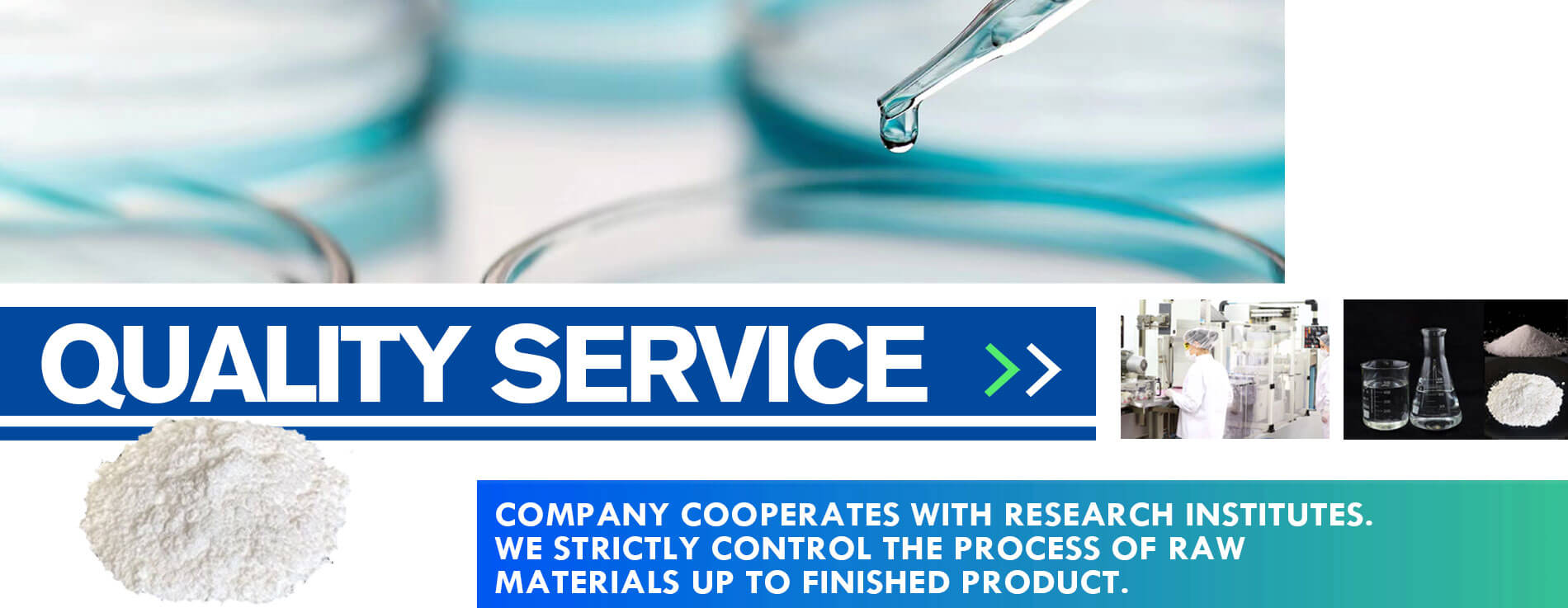
    As an accredited Sodium Methyl Acrylate Sulfonate factory, we enforce strict quality protocols—every batch undergoes rigorous testing to ensure consistent efficacy and safety standards.

    Packing & Storage
    Packing Sodium Methyl Acrylate Sulfonate in 25 - kg bags, suitable for chemical storage.
    Storage Sodium Methyl Acrylate Sulfonate should be stored in a cool, dry, and well - ventilated area. Keep it away from sources of heat and ignition as it may be combustible under certain conditions. Store in tightly closed containers to prevent exposure to moisture and air, which could potentially cause degradation or chemical reactions. Separate from incompatible substances like oxidizing agents.
    Shipping Sodium Methyl Acrylate Sulfonate is shipped in tightly - sealed containers, often drums or bags. It's transported with precautions due to its chemical nature, ensuring protection from moisture, heat, and physical damage during transit.
    Free Quote

    Competitive Sodium Methyl Acrylate Sulfonate prices that fit your budget—flexible terms and customized quotes for every order.

    For samples, pricing, or more information, please call us at +8615371019725 or mail to sales7@alchemist-chem.com.

    We will respond to you as soon as possible.

    Tel: +8615371019725

    Email: sales7@alchemist-chem.com

    Sodium Methyl Acrylate Sulfonate
    General Information
    Historical Development
    Sodium Methyl Acrylate Sulfonate is derived from the process of chemical research. In the past, all kinds of chemical craftsmen worked hard to create new quality. At the beginning, the road of exploration was full of thorns, and many attempts were unsuccessful.
    However, everyone was determined, and after repeated trials, they gradually realized. After countless formula changes and heat consideration, the difficulties were finally overcome, so that Sodium Methyl Acrylate Sulfonate could come out.
    Its birth was not achieved overnight, but the result of years of grinding and wisdom condensation. Since its appearance, it has emerged in various fields of chemical industry, contributing to the development of many industries and opening a new chapter, thus becoming a shining chapter in the history of chemical industry.
    Product Overview
    Today there is a product called Sodium Methyl Acrylate Sulfonate. This is a chemical product with unique characteristics. Its color is pure and clear, like clear water, without the disturbance of variegated colors. Its quality is stable, and it is not easy to change in ordinary environments.
    This product has a wide range of uses. In the field of industry, it can be used as a raw material for polymerization, helping to synthesize many materials, making it have outstanding performance. It can also be used in various textiles to increase the characteristics of fabrics, making it tougher and have special functions. In daily chemical products, it is also useful to make products better quality.
    Looking at its preparation method, it requires fine craftsmanship, scientific regulations, and rigorous operation to obtain this good product. This Sodium Methyl Acrylate Sulfonate is an indispensable treasure in the chemical industry.
    Physical & Chemical Properties
    There is a substance called Sodium Methyl Acrylate Sulfonate. Its physical and chemical properties are crucial. The appearance of this substance may be in a specific state, or as a powder, or as a crystal, and it has its own unique appearance. Its solubility is also particular. It is soluble in some solvents and not in others. This is related to the interaction between its molecular structure and the solvent.
    In terms of its chemical properties, it has a specific reactivity. It can react chemically with other substances to form new compounds. In case of a certain type of reagent, it can convert or polymerize functional groups according to a specific chemical mechanism. Its stability also needs to be considered. It may be stable or variable under different environmental conditions. Exploring the physical and chemical properties of this material is of great use in the chemical industry and materials science, which can assist researchers in understanding its properties and expanding its application.
    Technical Specifications & Labeling
    "Technical Specifications and Labeling of Sodium Methyl Acrylate Sulfonate (Commodity Parameters) "
    In today's discussion of Sodium Methyl Acrylate Sulfonate, its technical specifications are crucial. Looking at its texture, it needs to be pure and flawless, and impurities should be minimal. Its chemical structure is stable to ensure excellent performance.
    When it comes to labeling, all commodity parameters must be clear. If the molecular weight is measured accurately, it needs to be used as proof of quality. And its appearance and color should also be accurately described, so that it can be seen clearly.
    Furthermore, the regulations on storage and transportation should also be described in detail. Avoid high temperature, moisture and humidity, so that the performance of Sodium Methyl Acrylate Sulfonate can be maintained without damage, so as to achieve the best use effect, and can show its advantages in various application scenarios.
    Preparation Method
    Sodium Methyl Acrylate Sulfonate is made in this product. The raw materials and the production process, reaction steps and catalytic mechanism are the key.
    The raw materials made by
    should be selected from pure products. Take methyl methacrylate and sodium bisulfite in a specific ratio, etc. These two are necessary. The production process requires controlling the temperature and pressure of the reaction. In a closed kettle, the raw materials are first melted and mixed with moderate heat, slowly heated to a suitable degree, about one hundred and twenty degrees Celsius, and the air pressure is adjusted to a stable state.
    The reaction step, the raw materials are initially fused, and the molecules gradually react with each other. The sulfur and oxygen bonds of sodium bisulfite are broken, and the double bonds of methyl methacrylate are connected. After a series of complex changes, it gradually becomes the embryonic form of Sodium Methyl Acrylate Sulfonate.
    Catalytic mechanism, a high-efficiency catalyst should be used, which can reduce the energy barrier of the reaction and promote molecular activity. Under moderate temperature and pressure, the catalyst causes the molecule to move quickly, so that the reaction can be accelerated, and the purity and yield of the product can be improved. Only in this way can high-quality Sodium Methyl Acrylate Sulfonate be prepared.
    Chemical Reactions & Modifications
    Taste the wonders of chemical industry, it is related to the changes of all things. Today there is Sodium Methyl Acrylate Sulfonate. In the field of chemistry, its reaction and modification are crucial.
    Watch its reaction, or blend with various things, and cause the change of combination, such as the combination of yin and yang, and derive new substances. Its modification can make the material characteristics better, like jade carving, radiant. Or increase its flexibility, or strengthen its stability, it is of extraordinary significance for industrial and people's livelihood.
    Chemistry together, exploring endless. The reaction and modification of Sodium Methyl Acrylate Sulfonate are waiting for our generation to study deeply to understand its rationale, make good use of its energy, add luster to the world, and make technology and life progress together.
    Synonyms & Product Names
    Today there is a thing called Sodium Methyl Acrylate Sulfonate. The title of this thing also has other names in the industry. Its aliases are the names used by everyone in the industry, either because of convenience or inheritance.
    Looking at this Sodium Methyl Acrylate Sulfonate, it has a wide range of uses. In the field of chemical industry, it is often an important raw material. Its different names also vary with regions and industry habits. However, in its essence, they all refer to the same thing. Although various aliases, although different expressions, actually refer to the products of Sodium Methyl Acrylate Sulfonate. All these are industry consensus and reflect the rich and diverse names of chemical products.
    Safety & Operational Standards
    "On the Safety and Operation Specifications of Sodium Methyl Acrylate Sulfonate"
    Sodium Methyl Acrylate Sulfonate is also a chemical product. Safety and operation standards are crucial in the process of its preparation and use.
    At the beginning of preparation, all raw materials must be carefully selected, and their purity and quality must meet the standards. The utensils used should be clean and intact to prevent impurities from mixing in, causing reaction deviation, or even causing danger. When operating, the craftsman needs to abide by the procedures and accurately control the reaction temperature, duration and dosage of each substance. If the temperature is too high, it may cause an overreaction and cause the risk of explosion; if it is too low, the reaction will be slow and the product will be impure.
    When using, protective measures are indispensable. The craftsman wears goggles and gloves in front of special clothing to prevent the product from touching the skin, eyes and damaging the body. And its storage should be in a cool and dry place, away from fire and heat sources, to prevent deterioration and spontaneous combustion.
    Furthermore, the disposal of waste should not be taken lightly. It should not be dumped at will, but should be disposed of in a specific way to prevent pollution of the environment and endanger life.
    In general, although Sodium Methyl Acrylate Sulfonate has great functions in the chemical industry, safety and operation standards must not be ignored. Only by adhering to this path can we ensure smooth production, personnel safety and the environment.
    Application Area
    Nowadays, there is a name Sodium Methyl Acrylate Sulfonate, which has a wide range of uses. In the field of textiles, it can be used as an auxiliary agent to increase the color fastness of fabrics and make them soft to the touch. In the papermaking industry, it can help the fibers disperse, the paper has good uniformity, and the strength can also be increased. In oil mining, it can make drilling fluid additives to reduce its friction and make mining smooth. In building materials, it can be used as a water reducing agent to reduce water while maintaining the workability of concrete and improving strength. All these uses rely on the characteristics of this material, which has important effects in various fields and promotes the progress of the industry.
    Research & Development
    Today, there are researchers studying Sodium Methyl Acrylate Sulfonate. This agent has a wide range of uses and is involved in various industrial fields. We have dedicated ourselves to studying its characteristics, production methods and application methods. At first, analyze its structure and clarify the basis of its chemistry. Then, try various production methods to find an efficient and environmentally friendly way. And test its application in different scenarios, hoping to expand its use. During this period, we encountered many problems, such as the yield did not meet expectations and the purity was also insufficient. However, we have been unremitting, and through repeated experiments and improvements, we have gradually obtained the best method. Today, the preparation process of this agent is becoming more and more perfect, and the application range is also gradually widening. Over time, Sodium Methyl Acrylate Sulfonate will surely shine in more fields and contribute to research and development.
    Toxicity Research
    The toxicity of Sodium Methyl Acrylate Sulfonate is studied today. This agent is commonly used in work, but its toxicity is unknown, and it is related to the health of workers, so the research is very important.
    Take animals as samples, apply this agent to their bodies, observe their physiological changes. And analyze its infiltration path, such as ingestion, inhalation or percutaneous infiltration. After a few days, the test animals showed that they were slow to move and ate less. The organs were tested, and some damage was observed.
    After research, Sodium Methyl Acrylate Sulfonate has certain toxicity and can cause physiological differences in animals. Although it is not certain that it will have the same effect on people, we are cautioned to be careful when using this agent in work to prevent people from touching it and ensure its health. Further research is required to clarify its exact toxicity and risk in order to make good preventive measures.
    Future Prospects
    Sodium Methyl Acrylate Sulfonate is also a chemical. I have been researching this for years, and I have not yet looked forward to it, and the journey is over.
    This product can be used in the field of engineering, and it can be used for superabsorbent lipids. It is expected to make the lipids more absorbent and durable. It can greatly improve its performance and make users feel more comfortable and convenient.
    It can be used in oil fields, or it can improve the properties of well fluids, increase their qualitative fluidity, make exploration more profitable, improve the efficiency of oil production, and reduce energy consumption costs.
    In addition, it can improve the adhesion, water resistance, and durability of materials. It is used in construction, construction, and other aspects. The development of Sodium Methyl Acrylate Sulfonate is expected.
    Where to Buy Sodium Methyl Acrylate Sulfonate in China?
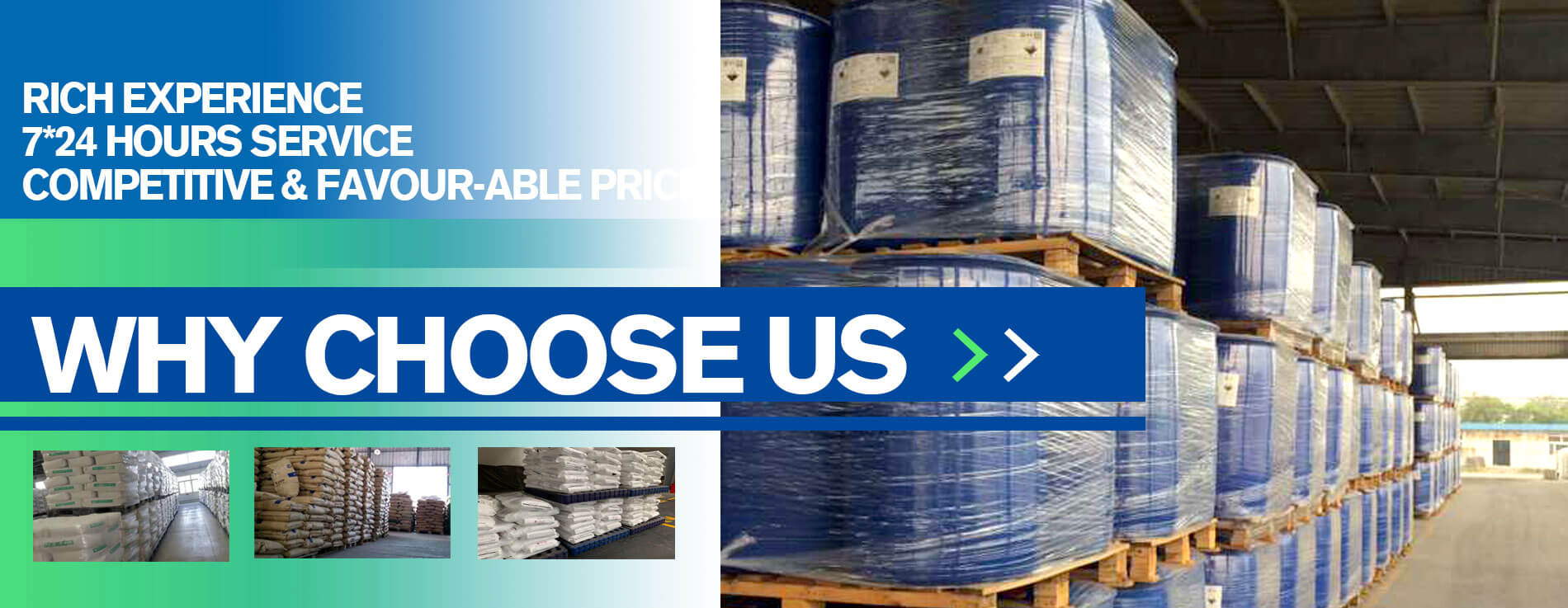
    As a trusted Sodium Methyl Acrylate Sulfonate manufacturer, we deliver: Factory-Direct Value: Competitive pricing with no middleman markups, tailored for bulk orders and project-scale requirements. Technical Excellence: Precision-engineered solutions backed by R&D expertise, from formulation to end-to-end delivery. Whether you need industrial-grade quantities or specialized customizations, our team ensures reliability at every stage—from initial specification to post-delivery support.
    Frequently Asked Questions

    As a leading Sodium Methyl Acrylate Sulfonate supplier, we deliver high-quality products across diverse grades to meet evolving needs, empowering global customers with safe, efficient, and compliant chemical solutions.

    What are the main application fields of Sodium Methyl Acrylate Sulfonate
    Sodium methacrylate sulfonate, which has a wide range of uses. In the field of papermaking, it can be used as an additive to increase the strength of paper, making it more tough and durable. When writing and printing, it is not easy to break, and it can also improve the uniformity of paper products and make the paper surface smooth. In the textile industry, it can be used as a printing and dyeing additive to help dyes be evenly colored, with bright and firm colors, and fabrics are not easy to fade after washing. In the construction field, it can be used as a concrete admixture to improve the working performance of concrete, enhance its fluidity, facilitate construction operations, and improve the strength and durability of concrete, making the building stronger. In the field of oil extraction, it can be used as a drilling fluid to stabilize the well wall, prevent the formation from collapsing, ensure the smooth progress of mining, and improve the fluidity of crude oil and improve the efficiency In addition, in water treatment, it can be used as a flocculant to remove suspended impurities in water, clarify water bodies, purify water quality, and benefit environmental protection. It can be seen that sodium methacrylate sulfonate plays an important role in many industrial fields and is indispensable.
    Sodium Methyl Acrylate Sulfonate
    Sodium methacrylate sulfonate is a miraculous chemical. Its properties are quite wonderful, and let me tell you in detail.
    This substance is quite extraordinary in its solubility. It can dissolve well in water, just like a fish gets water, and its solution is uniform and stable. This property makes it useful in many aqueous systems.
    Besides, its surface activity is also outstanding. It can significantly reduce the surface tension of the liquid, as if by magic, making the contact between the liquid and other substances more intimate, and enhancing the interaction between the two. In the process of emulsification and dispersion, it plays an extraordinary role.
    In the polymerization reaction, sodium methacrylate sulfonate plays a key role. As a monomer, it can be cleverly combined with other monomers to form a polymer with unique properties. The resulting polymer may have excellent water absorption or good antistatic properties, and its wide range of applications is beyond imagination.
    In addition, this substance also has good chemical stability. In common chemical environments, it can be safely handled and does not easily react with other substances. Just like a stable person, it sticks to its own characteristics, which lays a solid foundation for its use in complex chemical processes and application scenarios. In short, sodium methacrylate sulfonate, with its unique properties, shines brightly in many fields such as chemicals and materials, making it a rare chemical product.
    Sodium Methyl Acrylate Sulfonate in the production process
    When preparing sodium methacrylate sulfonate, all matters need to be treated with caution. First, the ratio of the material must be accurate. The dosage of each ingredient is related to the quality and characteristics of the product. A slight difference will easily lead to impure or unexpected performance of the product. The weighing equipment needs to be accurately calibrated, and the operation should also be focused to maintain the dosage.
    Second, the temperature and duration of the reaction must be strictly controlled. If the temperature is too high, it may cause side reactions, making the product complex and difficult to analyze; if the temperature is too low, the reaction will be delayed or incomplete. And the reaction at different stages has different temperature requirements, so it needs to be adjusted according to the reaction process. The reaction time should not be ignored. If it is too short, the reaction will not be fully functional, and if it is too long, the product will decompose or deteriorate.
    Third, the pH of the reaction environment should not be underestimated. This reaction can proceed smoothly within a specific pH range. Peracid or perbase may interfere with the reaction path, or affect the structure and performance of the product. Appropriate acid-base regulators must be used to maintain the pH of the reaction system within the specified range.
    Fourth, the rate and effect of stirring are crucial. Good stirring can promote the material to be fully mixed and the reaction will be uniform, preventing the local concentration from being too high or too low, thereby improving the reaction efficiency and product quality. Improper stirring rate may cause uneven mixing and affect the reaction effect.
    Fifth, safety protection should not be slack. The materials used may be corrosive and irritating. During operation, protective equipment such as gloves and goggles are essential, and the reaction site must be well ventilated to prevent the accumulation of harmful gases and endanger personal safety. After operation, the disposal of waste should also be in compliance to avoid polluting the environment.
    What are the advantages of Sodium Methyl Acrylate Sulfonate compared to other similar products?
    Compared with other similar products, sodium methacrylate sulfonate has the following advantages.
    First of all, in terms of solubility, sodium methacrylate sulfonate has excellent water solubility. Its molecular structure allows it to quickly and fully dissolve in water to form a uniform and stable solution. As the ancient books say, "Water can carry a boat, and it can also hold this agent." This good solubility makes it outstanding in the application of many aqueous systems, such as in paints, inks and other industries, it can be perfectly integrated with other water-based ingredients to ensure uniform and stable product performance.
    Secondly, in terms of chemical stability, this substance performs exceptionally well. It can maintain the stability of the chemical structure over a wide pH range, and is not prone to hydrolysis, oxidation and other reactions. Just like the ancient sturdy city walls, it resists the influence of external environmental changes on its structure and performance. This stability makes it play a stable role in industrial production processes in different acid and alkali environments. In the paper industry, it can maintain its efficacy in the face of pulp with different pH levels.
    Furthermore, from the perspective of dispersion performance, sodium methacrylate sulfonate has a strong dispersing ability for all kinds of particulate matter. It can be adsorbed on the surface of the particles, and the particles are evenly dispersed in the medium through electrostatic repulsion or spatial hindrance effect to prevent particle agglomeration. Just like the ancient march, all parts are scattered in an orderly manner and do not interfere with each other. In ceramic production, ceramic raw material particles can be evenly dispersed to improve the quality and performance of ceramic products.
    Finally, in terms of surface activity, sodium methacrylate sulfonate has a certain surface activity, which can reduce the surface tension of liquids. This property makes it stand out in emulsion polymerization, detergents and other fields, just like an ingenious lubricant, helping various reactions and cleaning processes to proceed more efficiently.
    What is the market outlook for Sodium Methyl Acrylate Sulfonate?
    Sodium-methacrylate sulfonate has many market prospects. This is a kind of useful compound that has applications in various fields.
    In the past, it has already emerged in the textile industry. In the process of fabric treatment, sodium-methacrylate sulfonate can be used as an auxiliary to improve the dyeing performance of fabrics. It makes dyes easier to adhere and has a brighter and longer-lasting color, so it is favored by the textile printing and dyeing industry. At that time, with the flourishing of the textile industry, the demand for it also rose steadily.
    Up to today, in the paper industry, its achievements have been remarkable. It can improve the physical properties of paper, such as enhancing the strength and flexibility of paper, so that the quality of paper can be improved. The paper industry is huge and continues to expand, and the market demand for this compound in this field is also increasing.
    Furthermore, in the field of oil extraction, it is also indispensable. In the drilling fluid system, it can optimize the performance of drilling fluid, enhance its stability and rheology, and help smooth oil extraction operations. With the constant growth of global energy demand, the scale of oil extraction continues to expand, and the market space for sodium-methacrylate sulfonate in this field also expands.
    And with the progress of science and technology, its potential is gradually revealed in the field of new material research and development. Researchers continue to explore its new uses and characteristics, which is expected to give birth to more emerging application fields. From this perspective, sodium-methacrylate sulfonates will surely enjoy a broader future in the future market due to their diverse uses and characteristics. Demand may continue to rise, playing an increasingly critical role in many industries.